ServicesResident Income Verification
Fort Lauderdale Resident Income Verification
To claim the Live Local Act exemption, you have to show who lives in each counted unit and how much they earn. We gather that paperwork, test it against this year's income limits and point out missing pieces months ahead of the filing date, so your team is never rushing.

What resident income verification covers
Every unit you count toward the exemption needs a resident whose income falls under the required limit and a rent that stays within the affordable cap for that income tier. The property appraiser and Florida Housing can ask to see how you know. Income verification is the paperwork behind that answer: a clean file for each unit showing income, family size, rent and the date it was confirmed.
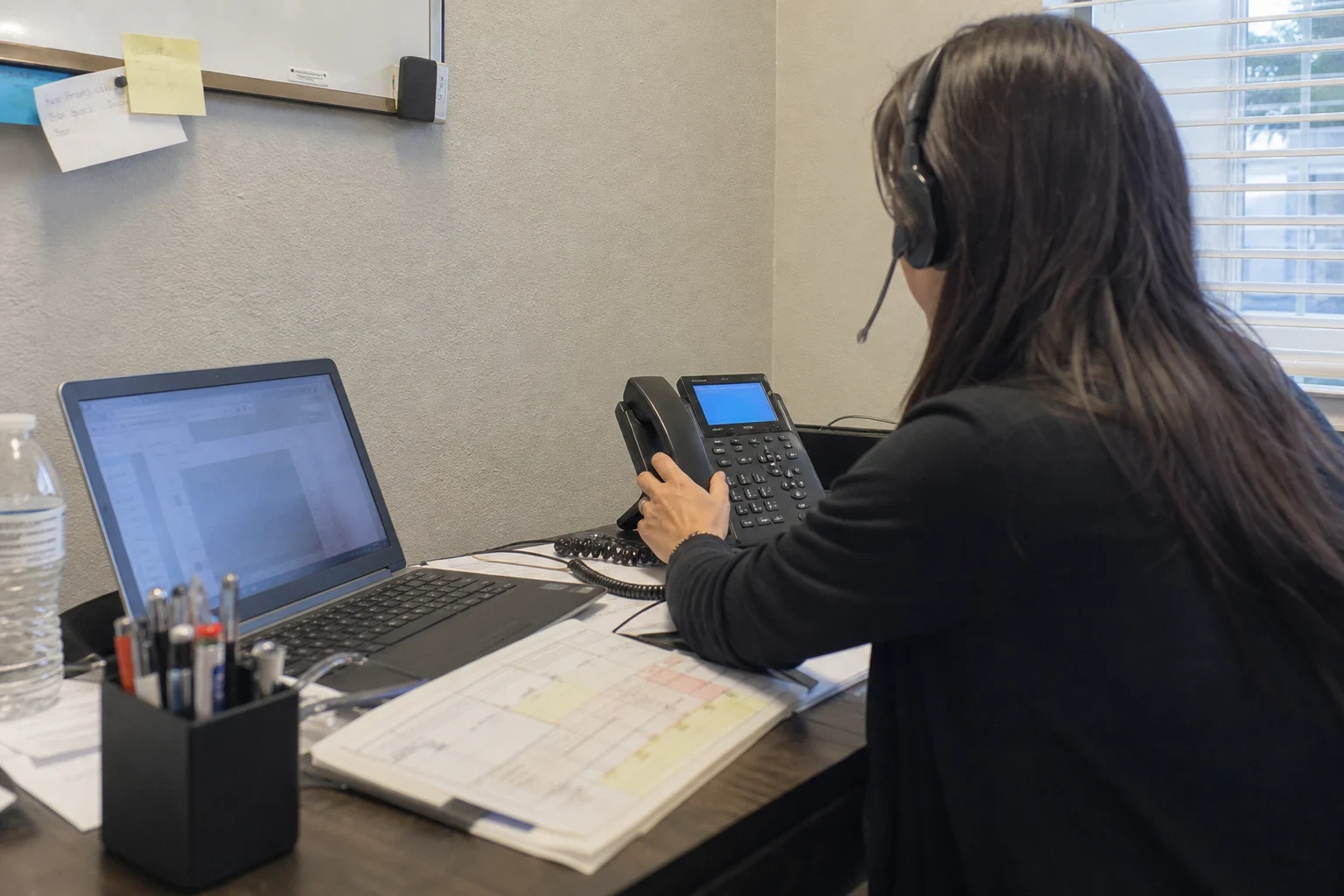
We do this work from our office and by phone and video with your leasing and management staff. Starting early gives your team time to chase a missing pay stub in the fall instead of the week before the deadline. It also shows you, while there is still time to plan, how many units actually qualify and at which tier.
Clients across Broward County, from Pompano Beach down to Hollywood, use this service on its own or alongside our Annual Recertification and FHFC Certification Filing work.

What we handle for each unit
- 01
A collection list for your leasing team
Your leasing office gets a simple list of what each resident should provide: pay stubs, benefit letters, tax returns, self-employment records or a zero-income statement. Asking once instead of several times saves residents and staff the repeat requests.
- 02
Annual income and tier placement
Every file's income is annualized using one consistent method, then measured against the current limit for your area and the resident's family size. We label each unit as qualifying at the 80 percent tier, at the 120 percent tier, or not at all.
- 03
Checking rent against the cap
A resident can meet the income test while the unit still misses on rent. We compare each lease rent to the affordable limit for its tier and call out any unit where the two do not agree.
- 04
A list of files that need work
We hand you a brief list of files that are incomplete, out of date or close to the line, along with what each one is missing. Your team can clear it long before filing season starts.
- 05
Filing-ready unit files
Checked files are put in the same order for every unit, ready to back up your County DR-504AFH Filing and to answer a reviewer's questions.
Questions about Resident Income Verification?
Call(954) 231-4229Signs your income files need attention
Paperwork is spread around
Part of a file sits in the leasing software, part in an inbox and part in a cabinet. When a reviewer wants proof for one unit, pulling it together can take days.
Your qualifying count is a guess
When the number of qualifying units is only an estimate, so are the savings you expect. Verified files give you a figure you can put in the budget.
New limits, old files
Income limits change every year. A resident who fit last year's numbers may now fall in another tier, which changes what the exemption covers.
New faces in the leasing office
A new hire may ask residents for different papers than the last person did. We put the whole team on one standard so every unit's file looks the same.
Filing season is almost here
If the filing date is approaching and no one has looked at the files, call us today instead of waiting for February. Reviewing early leaves time to correct what turns up.
How a verification project runs
- 1
An eligibility call
We go over the property, the number of units and how your leasing records are kept. You find out if the exemption looks like a fit and about how much file work lies ahead.
- 2
Receiving the rent roll and files
Your staff sends the rent roll and current resident files through a secure method we settle on together. We organize them by unit and record which ones are already complete.
- 3
Checking every file
For each file we work out income, confirm family size and compare rent to the cap. Your staff gets our questions grouped together instead of in a steady trickle of emails.
- 4
Closing the gaps
Using our checklist, your leasing office gets the missing papers from residents. We look at each item as it arrives and update that unit's status.
- 5
Unit-by-unit summary
You get a summary listing each unit's tier, rent and file status, ready to back the exemption filing and your budget for the year.
What shapes the cost of verification
We quote after looking at your rent roll and a sample of files, so the price reflects the real work. A free savings estimate by phone also shows what the exemption may be worth, which helps you weigh the cost before you commit.
- Number of units to verify
- More qualifying units means more files to review. A property near the minimum unit count is a smaller job than a large multi-building community.
- Condition of existing files
- Complete, current files move quickly. Files with missing or expired documents take more follow-up.
- Income complexity
- Wage earners with steady pay stubs are simple. Self-employment, multiple jobs or irregular benefits take longer to calculate carefully.
- Timing
- Work started months ahead can be spread out at a steady pace. A project compressed into the weeks before a deadline takes more hours in a short window.
Resident income verification questions
Do residents have to sit down with you?
No. Residents hand their papers to your leasing team as part of normal leasing, and we handle the review. If a file raises questions, we work it out with your staff by phone or video.
Is this kind of file work familiar to you?
It is. We have prepared filings for about 100 Florida properties, and the income files are the part that most often slows them down. So we start there.
What happens when a unit does not qualify?
We mark it and explain why, whether it is income, rent or a missing document. Some issues can be fixed before filing. Otherwise the unit is left out of the count, and you plan your budget around that.
How early should this work begin?
If you are filing in the new year, fall is a sensible time to start. That leaves room to update files after the new income limits come out and to find any missing papers.
Do we have to verify every unit?
No. Many clients count only part of their units toward the exemption. We check the units you plan to count and point out others that might also qualify.
Know your qualifying units before filing season
A short call tells you how ready your resident files are and what the exemption could save. We will lay out the next steps without pressure.