ServicesFHFC Certification Filing
FHFC Certification Filing in Fort Lauderdale
Your county exemption under the Live Local Act rests on a certification letter from the Florida Housing Finance Corporation. We pull together the rent and income records, prepare the request and follow it to approval, so that letter arrives well ahead of your county deadline.

Why the state certification comes before the county step
To qualify for the Live Local Act property tax break, a property first needs a certification from the Florida Housing Finance Corporation, usually shortened to FHFC. That letter confirms your qualifying units meet the income and rent rules. The DR-504AFH application you file with the Broward County Property Appraiser is incomplete without it.
Most of the trouble we see starts with timing. Owners learn about the certification step in late winter, then spend weeks chasing rent rolls and resident income documents while the county deadline gets closer. We start that work months earlier, when there is room to fix a missing record calmly.
We have prepared filings for about 100 Florida properties, so we know which documents FHFC tends to question and how to have them ready before anyone asks.
What our FHFC filing work includes
Going through your units one at a time
We read through the rent roll and note which units look likely to qualify, and at what income level. That count is in front of you before the agency sees anything.
Comparing rents to the limits
We hold each qualifying unit's rent up against the area's published limits. When one runs over, you hear about it early and can choose how to handle it.
Resident income paperwork
We put the resident income certifications in the order FHFC expects. If files are light, we name the specific ones that are missing, and our Resident Income Verification service can fill them in.
Building the request
We prepare the certification request, add the supporting schedules and file it with FHFC on your behalf. Nothing goes out until you have read and signed it.
Answering FHFC
When the agency comes back with a question or asks for one more document, we respond and tell you what happened in everyday terms.
Passing it to the county step
As soon as the certification is issued, it goes directly into your County DR-504AFH Filing, so both pieces match.

Signs it is time to start your certification
- You plan to claim the exemption next year
- Certification has to come before the county application. If you expect to file in the new year, the earlier this work begins, the easier it goes.
- Your rent roll has not been checked against limits
- Rents drift over time. A quick comparison now can show whether units still qualify before you rely on them.
- Resident income files are scattered
- Leases in one place, income paperwork in another and some files missing entirely. That is common, and it is the main reason filings stall.
- Last year's filing was a scramble
- If certification arrived close to the deadline last time, a planned calendar this year takes most of the pressure off.
- You are not sure the property qualifies
- Unit count and income mix both matter. A free eligibility check answers that before you spend time on paperwork.
How a certification filing runs with us
- 1
A first conversation by phone
We talk through the property, the unit count and your timeline. You get a free savings estimate so you know what the exemption could be worth before deciding anything.
- 2
Document collection
We give you a short, specific list of what we need: rent roll, leases and income records. You share them with our office, and we meet by phone or video if anything is unclear.
- 3
Review and draft
We check every qualifying unit, flag anything that needs attention and prepare the certification request. You see the draft and the unit schedule before signing.
- 4
Filing and tracking
We file the request with FHFC, answer any follow-up questions and confirm when the certification is issued. Then we move it into your county filing.
What affects the cost of an FHFC filing
Our fee depends on how much work the property actually takes, and we explain it before you commit. You get your quote by phone after we understand the property. Starting early also keeps costs down, because there is no rush work to account for.
- Number of qualifying units
- More units mean more rent and income records to check, so a larger property takes more review time.
- Condition of resident records
- Complete, organized income files move quickly. Missing or outdated certifications add work to track down and document.
- First filing or renewal
- A first-time certification means building the unit schedule from scratch. Later years often go faster, especially with Annual Recertification in place.
- Timing
- A filing started months ahead can be paced comfortably. One started close to the county deadline needs compressed scheduling.
Questions about FHFC certification
- Do I need FHFC certification if I already applied with the county?
- Yes. The county application for the Live Local Act exemption relies on the FHFC certification for the property. Without it, the property appraiser generally cannot approve the exemption. We usually handle both steps together so they match.
- How early should I start?
- Earlier than most owners expect. We like to begin several months before the county deadline so there is time to collect records and answer any agency questions. Starting in the fall is a comfortable pace for many properties.
- What if some of my residents' income paperwork is missing?
- That is one of the most common situations we see, and it is fixable with time. We identify exactly which files are incomplete and help you gather what is needed. Starting early is what makes this manageable.
- Is certification a one-time step?
- No. The exemption is renewed each year, and certification is part of that cycle. Our Annual Recertification service keeps the yearly filing on a set calendar so it never sneaks up on you.
- Do you take on properties in nearby cities?
- Yes. Owners in Hollywood, Pompano Beach, Oakland Park and other nearby cities work with us the same way. Nearly everything happens over the phone, on video calls and through shared documents, so distance rarely matters.
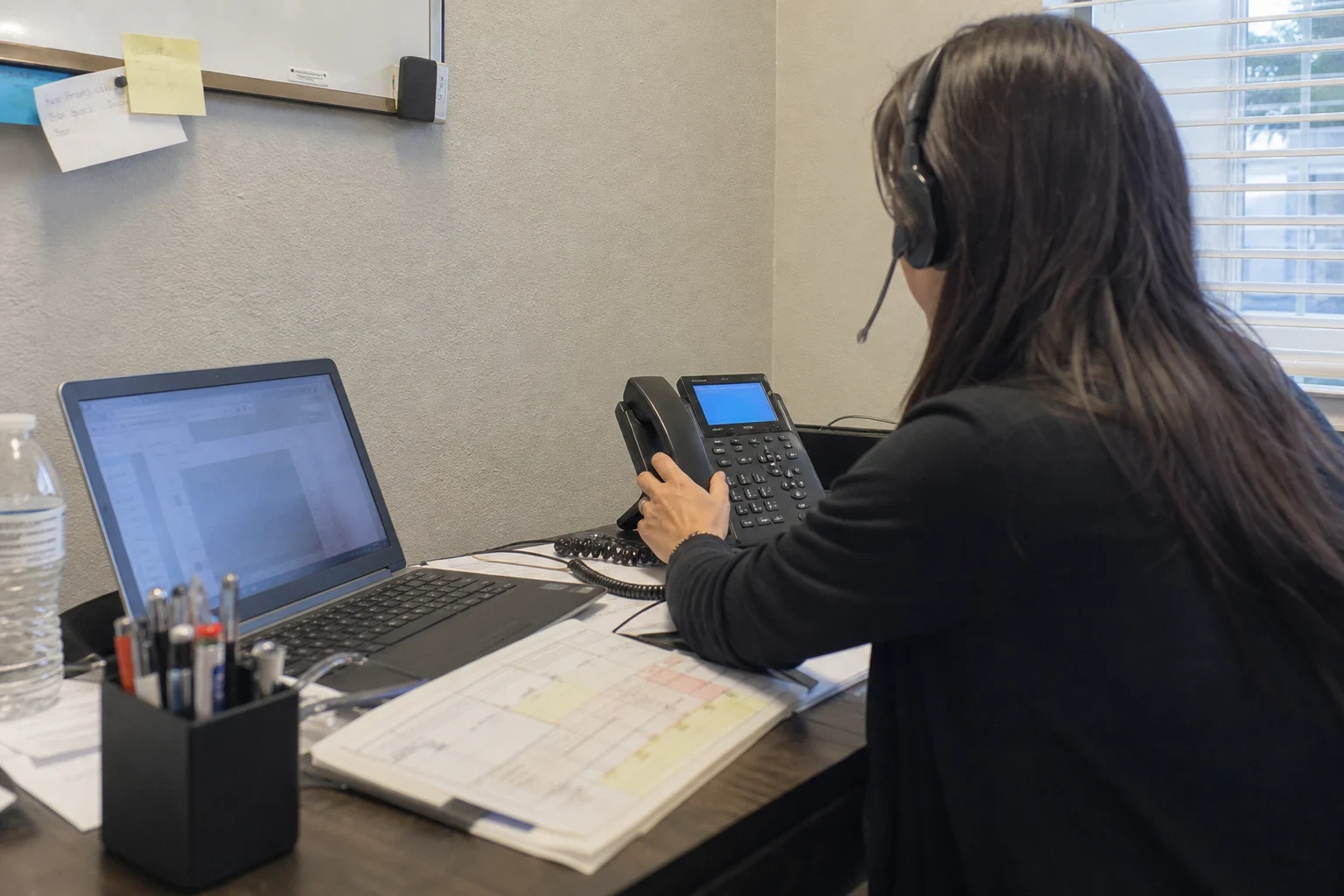
Get your certification on the calendar
A short phone conversation tells you whether your property qualifies and what the exemption could save. From there, we can plan the filing well ahead of the deadline.