ServicesExemption Applications
Live Local Act Exemption Applications in Fort Lauderdale
If your multifamily property rents units at affordable levels, the Live Local Act may cut its property tax bill. We tell you whether you qualify, estimate the savings and build a filing calendar so the paperwork is done well before the deadline.

What the exemption can do for your property
Florida's Live Local Act provides a property tax exemption for qualifying units in multifamily developments that have more than 70 affordable units. Units rented to residents earning up to 80 percent of area median income can qualify for a full exemption, and units for residents earning up to 120 percent can qualify for a partial one. Rents must also stay within the published limits.
The exemption comes through two linked steps. The property first needs certification from the Florida Housing Finance Corporation. That certification then goes to the county property appraiser with Form DR-504AFH by March 1. If a step or date is missed, the savings are pushed back a year.
With filings prepared for about 100 Florida properties, we know where applications usually get stuck. Our method is straightforward: begin early, collect the right records one time, and give you a clear figure to build your budget on.

What we handle in an exemption application
- 01
Checking eligibility
We measure your unit count, rent roll and resident income levels against the Act's thresholds and tell you plainly which units are likely to qualify and which are not.
- 02
Estimating savings
Using your current assessment and the share of qualifying units, we estimate the tax reduction. The estimate is free and gives you a number to share with owners, lenders or your accountant.
- 03
Collecting documents
You get a single organized checklist for rent rolls, lease terms, income certifications and property records, not a string of requests spread over weeks.
- 04
The FHFC certification request
We put together the certification request for the Florida Housing Finance Corporation and follow it until the certificate is issued. Our FHFC Certification Filing page explains that step in more detail.
- 05
Filing with the county
We complete Form DR-504AFH and file it with the property appraiser along with your certification, before the March 1 deadline.
- 06
Next year's calendar
The exemption has to be renewed. We set out the dates for Annual Recertification so February never catches you off guard.
Questions about Exemption Applications?
Call(954) 231-4229Signs it is time to look at the exemption
Your tax bill keeps climbing
Rising assessments squeeze operating budgets on affordable rentals. If taxes are eating into what you can spend on the property, the exemption deserves a look.
You already rent below market
Many owners have qualifying units without realizing it. If a large share of your residents earn moderate incomes, you may be leaving savings unclaimed.
You are planning a new project
Developers who plan for the exemption early can set rents and lease terms that qualify from day one, instead of reworking them later.
A deadline slipped past
If last year's filing was missed or denied, starting now gives you time to fix what went wrong before the next March 1.
Nobody owns the paperwork
When filings fall between property management and ownership, they tend to happen in a rush. A set process removes that last-minute scramble.
How an application works with us
- 1
A short first call
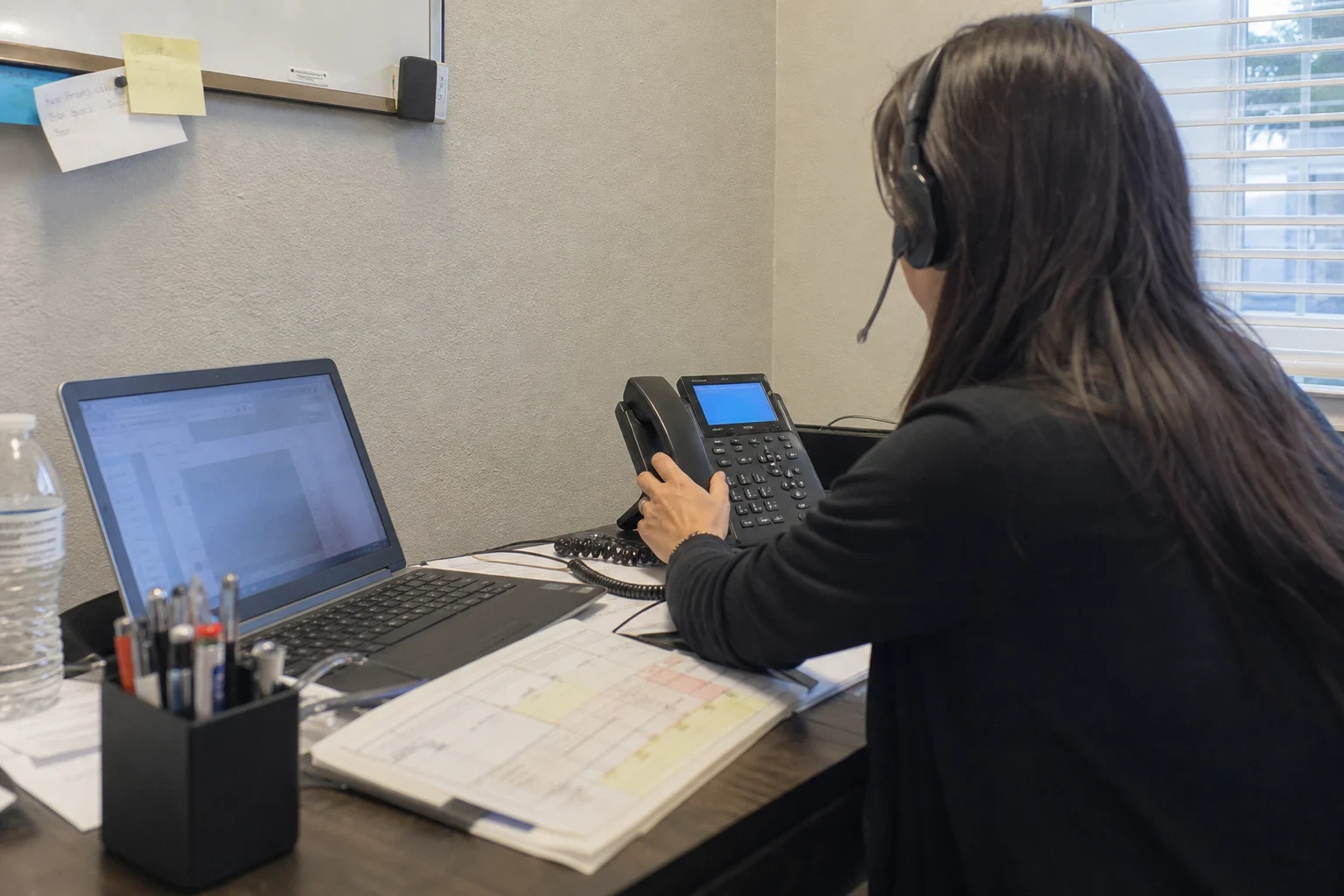
We talk through your property, unit count and rent levels by phone. You leave the call with a sense of whether the exemption fits and what it could save.
- 2
Review and estimate
You share your rent roll and recent tax notice, and we work through them at our office. We send back a written savings estimate and a list of anything missing.
- 3
Building the package
We collect income documentation, confirm rents against current limits and prepare the FHFC request. Questions get settled by phone or video, so nobody has to come in.
- 4
Filing and follow-through
Once certification arrives, we file DR-504AFH with the property appraiser and confirm it was received. If the county asks for more, we answer it with you.
What drives the price of an application
Since every property starts somewhere different, we set the price after the free review instead of guessing. You get a clear number before work starts. Most of the cost comes down to how much sorting your records need.
- Unit count
- More units mean more income records and rent checks to confirm. A 75-unit building is a smaller job than a complex with several hundred units.
- Condition of your records
- Clean, up-to-date rent rolls and income certifications keep the work brief. Files that are missing or out of date take time to rebuild.
- Several parcels or phases
- A property spread over parcels or built in phases may need separate filings, each with its own paperwork.
- Time left before the deadline
- A fall start leaves room for steady work. A late-February start squeezes everything into a few weeks.
Questions about Live Local Act exemption applications
Does my property qualify?
It comes down to how many units are set aside as affordable, what the residents in them earn and whether rents stay within the published limits. The Act applies to developments with more than 70 affordable units. A free eligibility check by phone is the quickest way to find out.
When should we get started?
Earlier than most owners think. The FHFC certification has to be in hand before the county filing on March 1, so fall is the time we suggest. That leaves room to collect income records and close gaps calmly.
How much could the exemption save?
Units for residents at or below 80 percent of area median income can be fully exempt, and units up to 120 percent can be partly exempt. The real figure depends on your assessment and the number of qualifying units, which we work out in a free savings estimate.
Do we apply again every year?
Yes. The exemption is renewed yearly with a fresh certification and current resident information. Our Annual Recertification service keeps the dates and paperwork on track.
Can the whole application be handled without visiting your office?
Yes, and most clients prefer it. Owners and managers in Fort Lauderdale, Hollywood and Pompano Beach share their records with us and we sort out questions on a phone or video call. Nobody has to leave the property or cross town to get it filed.
Find out what your property could save
A short phone call is enough to see whether the exemption fits and what it might be worth. We will also sketch a timeline so next March 1 is no surprise.