Fort Lauderdale, FL
Fort Lauderdale Help With Live Local Act Exemptions
Multifamily owners come to us to claim the Live Local Act property tax exemption without a February rush. We plan the FHFC certification, the county DR-504AFH filing, resident income verification and annual recertification on a calendar you can follow. Our clients own property in Fort Lauderdale, Pompano Beach, Hollywood and the cities around them.
- Filings for about 100 Florida properties
- Phone eligibility check
- Filing dates put in writing
- Meet in person, by phone or on video
Live Local Act Services for Property Owners
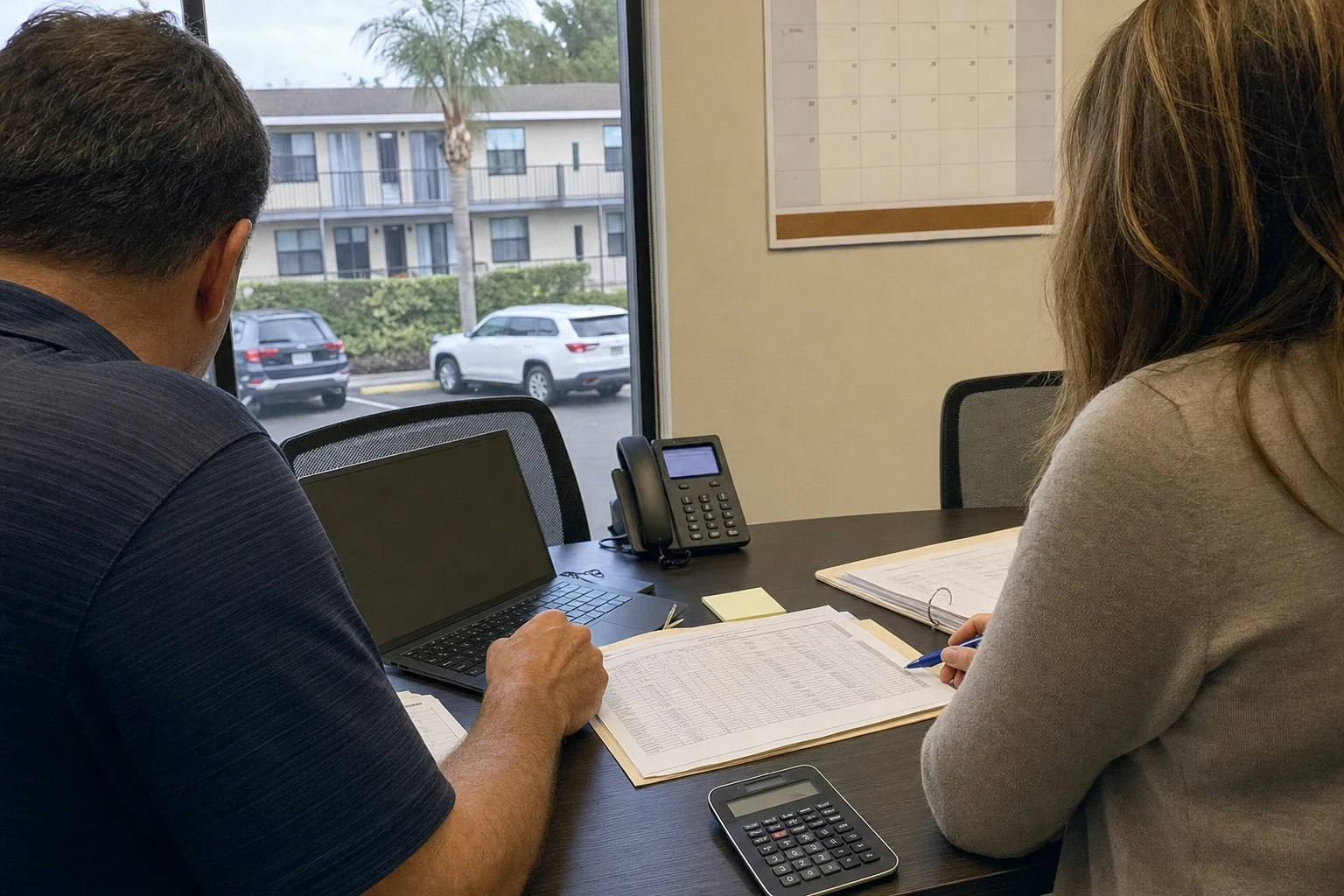
The exemption is not one form. It is a chain of steps, and each one depends on the step before it. We handle Live Local Act exemption applications from start to finish, including FHFC certification filing, the county DR-504AFH filing and the resident income verification that supports both. After the first year, we keep the exemption in place with annual recertification and ongoing compliance support.

Exemption Applications
We check whether your rental property qualifies, prepare the full exemption package and file it on schedule so the tax savings reach your budget.

FHFC Certification Filing
We prepare your Florida Housing Finance Corporation certification request and follow it through, so your county exemption filing has what it needs.
County DR-504AFH Filing
We prepare and file your DR-504AFH with the county property appraiser, matched to your FHFC certification and rent roll, well ahead of March 1.
Annual Recertification
We track each year's FHFC and county deadlines, refresh your unit and rent records, and refile so your Live Local exemption keeps going without a last-minute scramble.
Resident Income Verification
We gather and check resident income documents unit by unit so your Live Local Act filing rests on files that hold up to review.
Ongoing Compliance Support
Year-round tracking of rents, resident incomes and set-aside units so your Live Local exemption is ready to renew instead of scrambling each winter.
What Moves the Price of Your Filing
No two properties need the same amount of preparation, so our fee follows the actual workload. A building with current, tidy records moves along faster than one where the income files have to be rebuilt. We talk through each of these points with you on the first call.
Your free savings estimate comes first. Once you decide to go ahead, we explain the scope of work and our fee in writing before we begin.
- Number of units and properties
- Larger communities mean more units to track and more income certifications to review. Owners with several properties often file them together, which can simplify the schedule.
- Condition of your records
- Current rent rolls and signed income certifications keep the work quick. Missing or outdated files take longer to rebuild before anything can be filed.
- Income tiers in your set-aside
- Units set aside at different income levels are treated differently under the law. More tiers mean more careful matching of rents to the correct limits.
- First year or renewal
- A first-time application involves eligibility review, certification and the county filing. Annual recertification builds on that groundwork and usually takes less effort.
- How close the deadline is
- Starting early gives us room to fix gaps calmly. Work that starts weeks before the county deadline has to be compressed, and some fixes may not fit in time.
Why Owners Plan Their Exemption With Us
Most exemption trouble starts in February, when someone realizes the paperwork is not ready. We build the work around your calendar so that does not happen.
- We start with the numbers
- Before you commit to anything, we estimate what the exemption could save on your property. You get a clear sense of whether the effort is worth it, and the estimate is free.
- A filing calendar in writing
- Every client gets a dated schedule covering certification, the county application and records requests. You know what we need from you and when, weeks before it matters.
- Honest answers on eligibility
- Some properties qualify easily. Others need rent or unit changes first, and a few are not a fit right now. We tell you which group you are in and why, so you can plan your budget around a real answer.
- Records that hold up to review
- We organize rent rolls, income certifications and unit set-asides so the reviewing agencies can follow them. Clean files mean fewer follow-up questions and less back and forth with the county.
- Meetings that fit your week
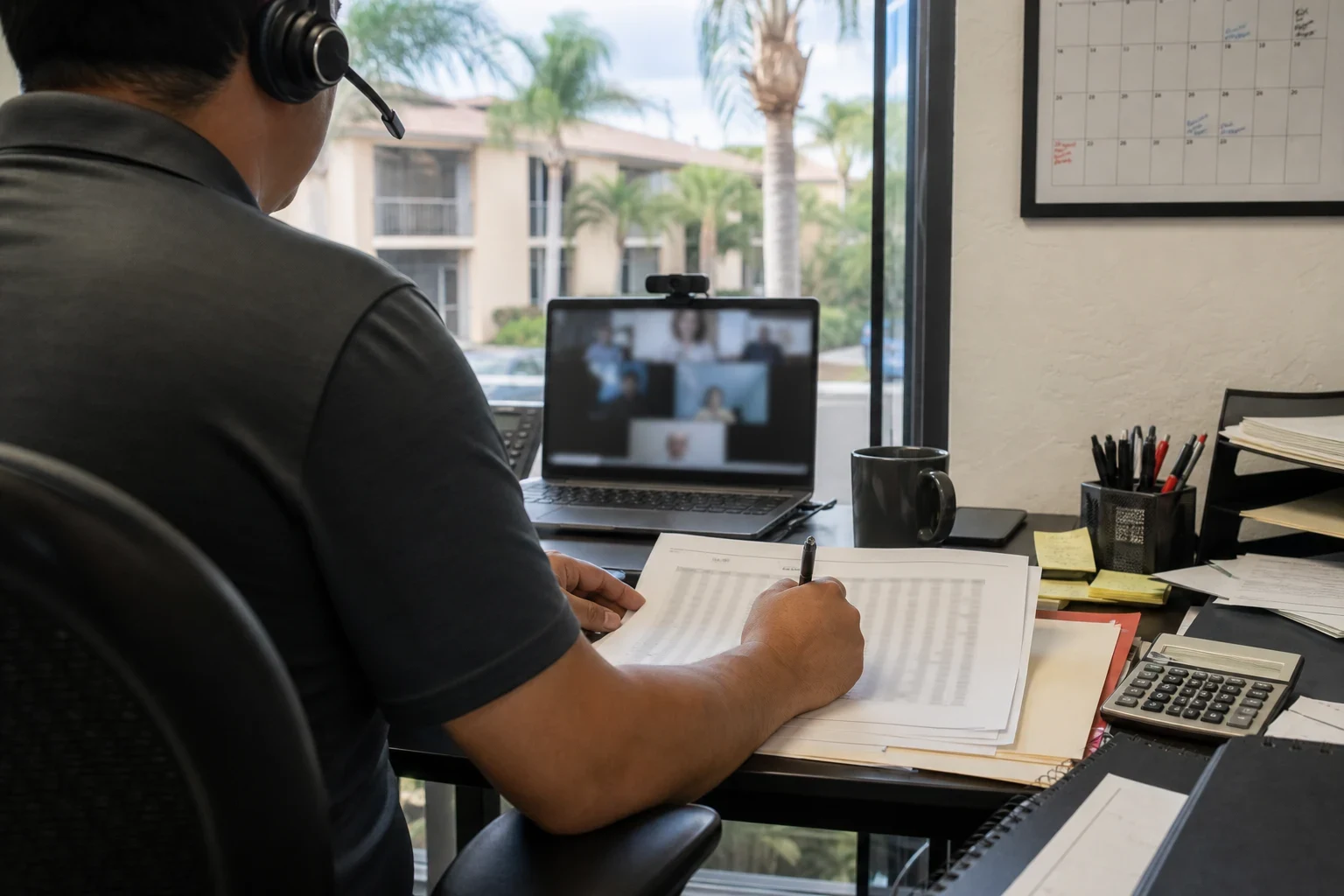
- We meet at our office, or by phone and video. Most owners never need to leave their desk to get the filing done.
How an Exemption Filing Runs
Here is what working with us looks like from the first call to an approved exemption.
- 1
Eligibility check and savings estimate
On the phone, we ask about unit count, rents and current tenants. You learn whether the property looks eligible and roughly what the exemption could be worth.
- 2
Records review and calendar
We review your rent roll and resident files, flag any gaps and send a dated calendar showing each step and who handles it.
- 3
Income verification and FHFC certification
We check each resident's income against the applicable limits. Then we prepare the certification package and file it with the Florida Housing Finance Corporation on your behalf.
- 4
County DR-504AFH filing
With certification in hand, we prepare the DR-504AFH application for the county property appraiser and file it ahead of the March 1 deadline.
- 5
Recertification and follow-up
The exemption must be renewed each year. We put next year's dates on the calendar right away and keep your records current between filings.

Working With Owners Throughout Broward County
Our clients own property across Fort Lauderdale and the cities nearby, such as Wilton Manors, Oakland Park, Lauderhill, Lauderdale Lakes and Dania Beach. We also work with owners in Hollywood, Pompano Beach, Lauderdale-by-the-Sea, Broadview Park and Roosevelt Gardens.
- Fort Lauderdale
- Wilton Manors
- Lauderhill
- Oakland Park
- Lauderdale Lakes
- Dania Beach
- Broadview Park
- Lauderdale-by-the-Sea
- Roosevelt Gardens
- Hollywood
- Pompano Beach
Since we meet at our office or by phone and video, owners with buildings in other parts of Florida can work with us just as easily.
Common Owner Questions About the Live Local Act
- Is my property eligible for the Live Local Act exemption?
- The main factors are your unit count, how many units are reserved for residents at qualifying incomes and whether those units' rents stay under the limits. We cover all of this in a free eligibility check by phone. If the property falls just short, we tell you what would have to change.
- What might the exemption save us?
- The amount turns on your assessed value, how many units qualify and which income tiers they fall in. You get a free savings estimate before making any decision, so you can compare the savings with the work and our fee using actual numbers.
- How soon should we begin?
- Sooner than most owners expect. The FHFC certification must be done before the county application, which is due by March 1. A fall start gives you time to close record gaps calmly.
- How do FHFC certification and the DR-504AFH differ?
- They are two separate reviews. The Florida Housing Finance Corporation goes first, looking at the property and certifying that it meets the program's rules. Next comes the DR-504AFH, the request for the tax break itself, which goes to the property appraiser's office and depends on that certification. We prepare both and file them in the proper order.
- Is a new application needed every year?
- Yes. The exemption must be renewed every year with current resident income information and a new filing. Our annual recertification service keeps those dates on your calendar and your files prepared in advance.
- Which records do you need from us?
- Typically a current rent roll, your unit mix, lease details and resident income certifications. Gaps in some of those are normal, and our resident income verification work helps you fill them in.
- Can we complete the filing without coming to your office?
- Yes. Each step, from the first eligibility check to approving the county application, can be done by phone and video. If you would rather meet face to face, our office is open to you. During the first call we settle on an easy way for your staff to exchange documents with us.
About Our Practice
We are a Fort Lauderdale consulting practice that focuses on one thing: helping multifamily owners use the Live Local Act property tax exemption correctly. The law can lower taxes on qualifying units in a meaningful way, but only for owners who keep up with the certification, the county filing and the resident income records behind them.
We work at our office and by phone and video, which keeps meetings short and easy to fit around managing a property. Our approach is simple. Start early, put the plan in writing and give owners a straight answer about what the exemption can and cannot do for them.
- Certifications
- Filings prepared for about 100 Florida properties
Know Your Savings Before the Deadline Gets Close
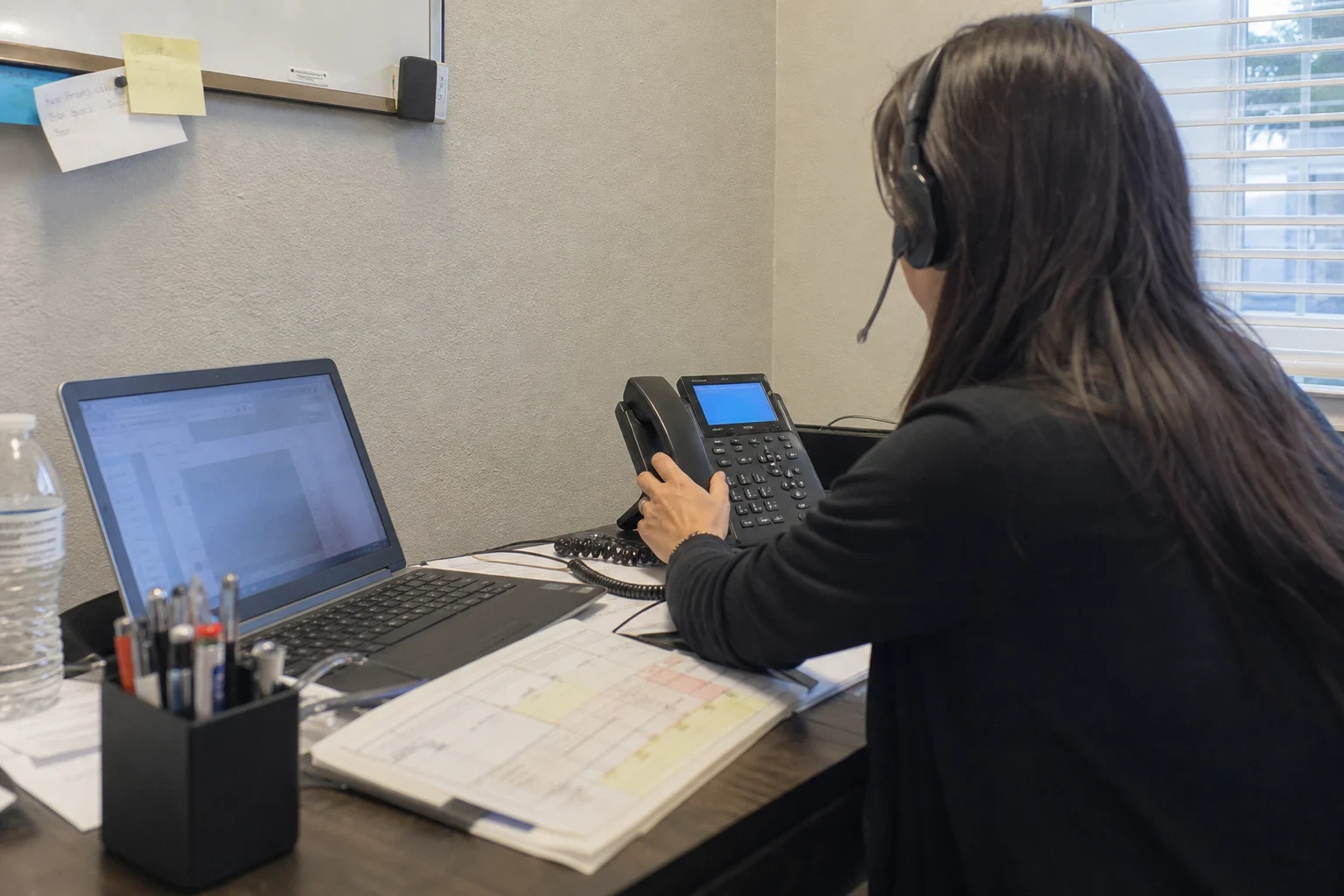
A short call tells you whether your property looks eligible and roughly what the exemption could be worth. From there, you can plan the work and the budget on your own schedule.